
Previous Post
Start 2026 Strong: Make Your Business Discoverable in the Age of AI

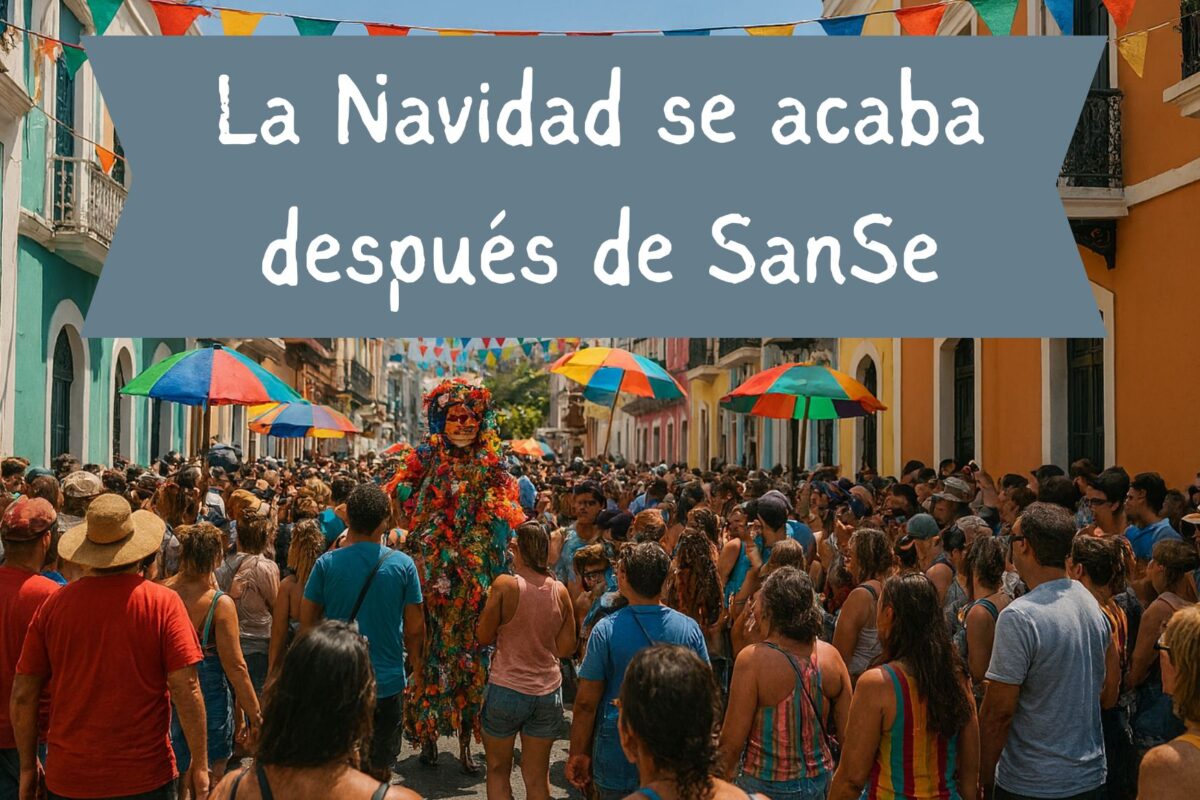
By January, most of us already know the drill. The Reyes came and went, the parranda energy hasn’t fully died down, and Christmas still feels very much alive. That’s not accidental. The way we extend the season through the Octavitas and SanSe has deep historical roots that go back centuries.
We keep the traditions going. But their origins are worth remembering too.
The idea of the Octavitas didn’t start in Puerto Rico. It comes from early Catholic liturgical tradition in Europe, where major feast days were considered too important to be limited to a single day.
The word comes from the Latin octava, meaning “eighth,” referring to the eight-day period of celebration following a feast. Christmas itself has an official octave, running from December 25 to January 1. Over time, that same structure was applied to Epiphany, celebrated on January 6.
In Puerto Rico, under Spanish rule, these religious observances arrived with the Church. But like many traditions here, they didn’t stay strictly religious for long. By the 18th and 19th centuries, Epiphany celebrations had already blended with local customs, music, and community gatherings.
What became the Octavitas were the days after Reyes when the season continued naturally through aguinaldos, food, and shared time. The Church marked it. The people made it their own.
By the time Puerto Rico entered the 20th century, the Octavitas were no longer just about liturgy. They had become part of everyday life. Neighborhoods kept celebrating, families delayed taking down decorations, and parrandas flowed past January 6 without anyone questioning it.
It wasn’t written into law or pushed by tourism. It simply stuck because it fit the way Puerto Ricans live and celebrate.
SanSe has equally deep roots. The celebration began in the 18th century as a religious procession honoring San Sebastián, the patron saint of San Juan. The image of the saint was carried through Calle San Sebastián, ending at San José Church, in an event focused on devotion and neighborhood participation.
For generations, this was a small, community-based observance. It wasn’t meant to draw crowds. It was meant to honor the saint and bring neighbors together.
By the mid 20th century, like many older traditions, participation declined. Old San Juan itself was changing, and the procession risked disappearing altogether.
In the 1970s, residents of Old San Juan, along with artists and cultural leaders, revived the celebration. Their goal wasn’t just to save a religious event, but to reclaim public space for Puerto Rican culture.
Music, artisan markets, dance, and street performance were added. The procession remained, but the streets opened to everyone. What emerged was something new, rooted in tradition but alive in the present.
SanSe lands exactly where it needs to on the calendar. After Reyes. After the Octavitas. Right before the year fully settles into routine.
That timing is no accident. Historically, it allowed one final collective gathering before the season ended. Over time, it became understood as the true closing of Christmas, not by decree, but by shared agreement.
That’s why the phrase still holds weight: La Navidad se acaba después de SanSe.
Neither the Octavitas nor SanSe survive because they’re written down somewhere. They survive because people keep showing up. Families, neighbors, musicians, artisans. Everyone plays a part in keeping these traditions alive.
That’s the beauty of it: Christmas in Puerto Rico doesn’t fade quietly. It sticks around in the music of a parranda, the glow of a nacimiento, and the laughter in a street festival.
Here, the season has its own timing. We take it slow. We celebrate loud. And we don’t pack it up until we’re ready.
So yes… Christmas is still here.
Planning on heading to San Juan for San Se?
You can find all the information about this year’s festivities on their official Facebook page.
Sponsored Content
