Previous Post
The Chef Who Cooks From Memory: Getting to Know Jesús Feliciano

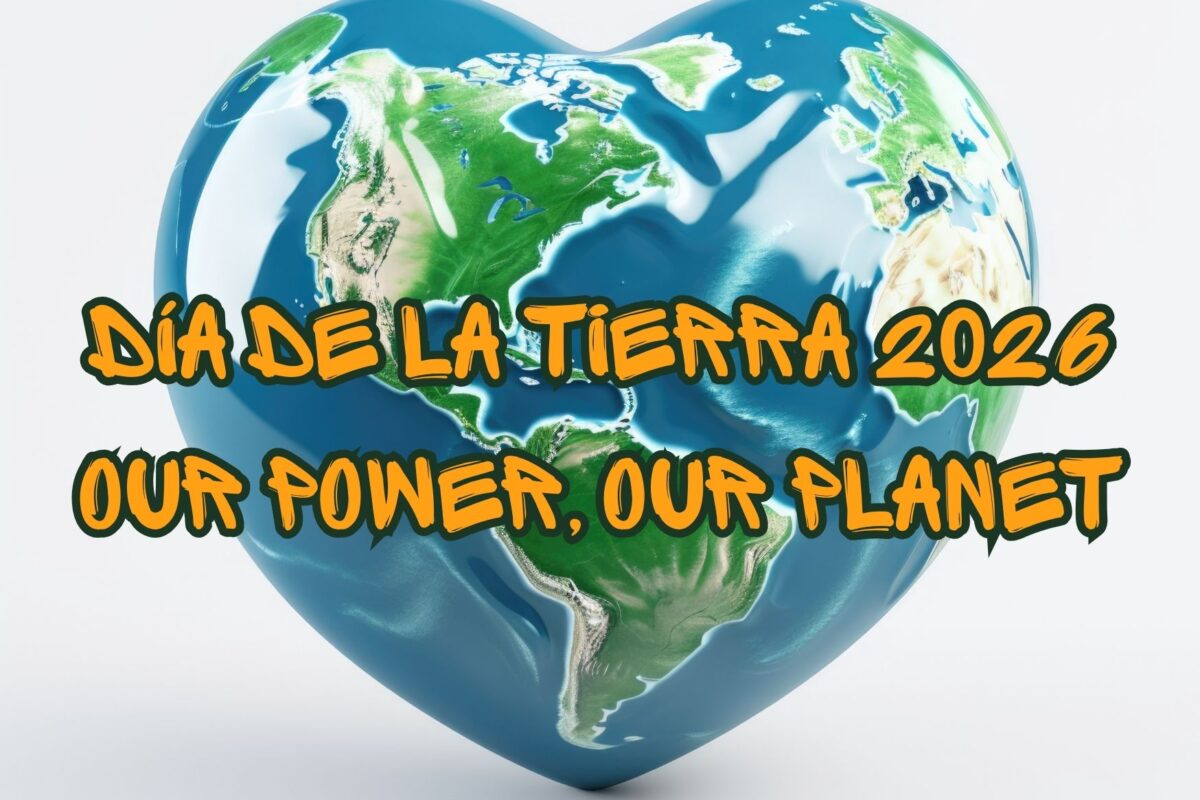
Every April 22, more than a billion people across 193 countries pause to honor the planet we share. But here in western Puerto Rico, Earth Day isn’t just a calendar event. It’s a reminder of what we already know: this place is worth protecting. This year’s theme, “Our Power, Our Planet,” couldn’t feel more fitting for a region that has rebuilt itself again and again, and whose communities have always known that real change comes from the ground up.
Earth Day was born out of frustration and hope. In 1969, Senator Gaylord Nelson of Wisconsin watched in horror as a massive oil spill devastated the coastline of Santa Barbara, California. He knew that without public pressure, the environment would remain low on the political agenda. So he called for a national “teach-in,” a day when Americans would come together to demand better.
He recruited a young Harvard activist named Denis Hayes and conservation-minded Republican Congressman Pete McCloskey to help organize it. They chose April 22, a weekday falling between spring break and final exams, to maximize student participation.
On April 22, 1970, an estimated 20 million Americans took to the streets, parks, and auditoriums across the country. Members of all political parties, farmers and factory workers, students and elders all showed up together. It was later described as “one of the most remarkable happenings in the history of democracy.”
The impact was immediate. By the end of that year, the U.S. Environmental Protection Agency (EPA) had been created. The Clean Air Act, the Clean Water Act, and the Endangered Species Act all followed. Earth Day didn’t just raise awareness; it rewrote the law.
By 1990, Earth Day had gone global, with 200 million people in 141 countries participating. In 2000, the focus shifted to climate change and clean energy. In 2016, the Paris Climate Agreement was opened for signatures on Earth Day. This was a deliberate and symbolic choice. And in 2020, the 50th anniversary brought the entire event online for the first time, reaching an estimated one billion people digitally despite a global pandemic.
Today, Earth Day is the largest secular day of collective action on the planet. And this year, the message is clear: the power to protect this world belongs to all of us.
The official theme for Earth Day 2026, announced by EARTHDAY.ORG in January, is Our Power, Our Planet. It’s a rallying cry for communities worldwide to reclaim their voice and their future.
The message behind it is simple but important: environmental progress doesn’t depend on any single administration or election. It is sustained by the daily actions of ordinary people—educators, families, neighbors, and students protecting the places where they live and work.
EARTHDAY.ORG is calling on individuals and communities to get involved through cleanups, tree plantings, teach-ins, town halls, voter registration drives, and peaceful demonstrations. They’re also urging the world to triple the use of wind and solar energy by 2030. This is a goal that starts with local decisions made right here at home.
The good news? Our region is already answering the call. Here are three events taking place this week across the west:
April 20–25 | UPR Mayagüez, UPR Utuado & Gran Batey Agroecological Farm | Free, open to the public
This multi-day, multi-site initiative is one of the most comprehensive Earth Week programs happening anywhere on the island. Led by the University of Puerto Rico campuses in Mayagüez and Utuado, it brings together students, faculty, staff, and community members for a full week of activities:
Faculty are also invited to join the Make Climate a Class initiative, integrating climate topics into their courses and connecting students with the week’s events. If you’re a teacher, a parent with college-aged kids, or simply someone who wants to get your hands in the soil, this is the week to do it.
April 24–26 | Castillo Labadie, Moca | Free, open to the public
A three-day celebration of Puerto Rico’s agricultural heritage, the Festival Nacional de la Tierra is one of the most festive Earth Day gatherings on the island. Held at the beautiful Castillo Labadie in Moca, it features local product exhibits, fresh food, artisan vendors, and live music throughout the weekend.
Bring the whole family. This one is pure celebration and a reminder that protecting the earth and enjoying its abundance go hand in hand.
Saturday, April 25 | 9:00–11:00 AM | Anfiteatro Justo Méndez, Isabela | Free
Register at: volunteer.surfrider.org
This one is special. Every year, the beaches of northwestern Puerto Rico receive one of the ocean’s most ancient and majestic visitors: the tinglar, or leatherback sea turtle. This is the largest turtle species on Earth. We are currently in the nesting season, and these turtles need our help.
The group Tortugueros del Oeste, certified by Puerto Rico’s Department of Natural Resources and Environment (DRNA), is offering a free two-hour training for anyone who wants to join their nest monitoring and protection program. No experience required. Just a willingness to show up for something bigger than yourself.
This isn’t a one-day volunteer experience. Completing the training means you can participate in active nest monitoring along the coast throughout the season.
Earth Day is a great reminder, but the planet needs us 365 days a year. The good news is that protecting it doesn’t require a complete lifestyle overhaul. Small, consistent actions add up to real change, especially when a whole community is doing them together.
Here are some of the most impactful everyday habits we can all adopt right here in western Puerto Rico:
Western Puerto Rico is not just beautiful; it is biologically extraordinary. Our coastlines are nesting grounds for endangered sea turtles. The coral reefs support entire marine ecosystems. Our mountains filter the water we drink, and our agricultural valleys feed families across the island.
We also know better than most what it looks like when the environment fails. After Hurricane María, millions of people lived without power for months. Flooding, landslides, erosion, and water shortages are not abstract threats here. They are lived experiences.
That’s exactly why “Our Power, Our Planet” resonates so deeply in places like ours. We have always had to rely on each other. We have always known that the health of our community is tied to the health of our land, our water, and our air.
This Earth Day, let’s make that connection explicit and act on it.
Whether you join the eco-run at UPR Mayagüez, take your kids to the festival in Moca, sign up to protect turtle nests in Isabela, or simply start composting at home, every action counts.
Find more events and resources at earthday.org. And as always, if you know of an event, cleanup, or community initiative happening in the west, share it with us. This is your community. This is your planet.
Our power. Our planet. Let’s use it.
Sponsored Content