
Previous Post
Something’s Simmering in the West: The Culinary Rise of Puerto Rico’s West Side

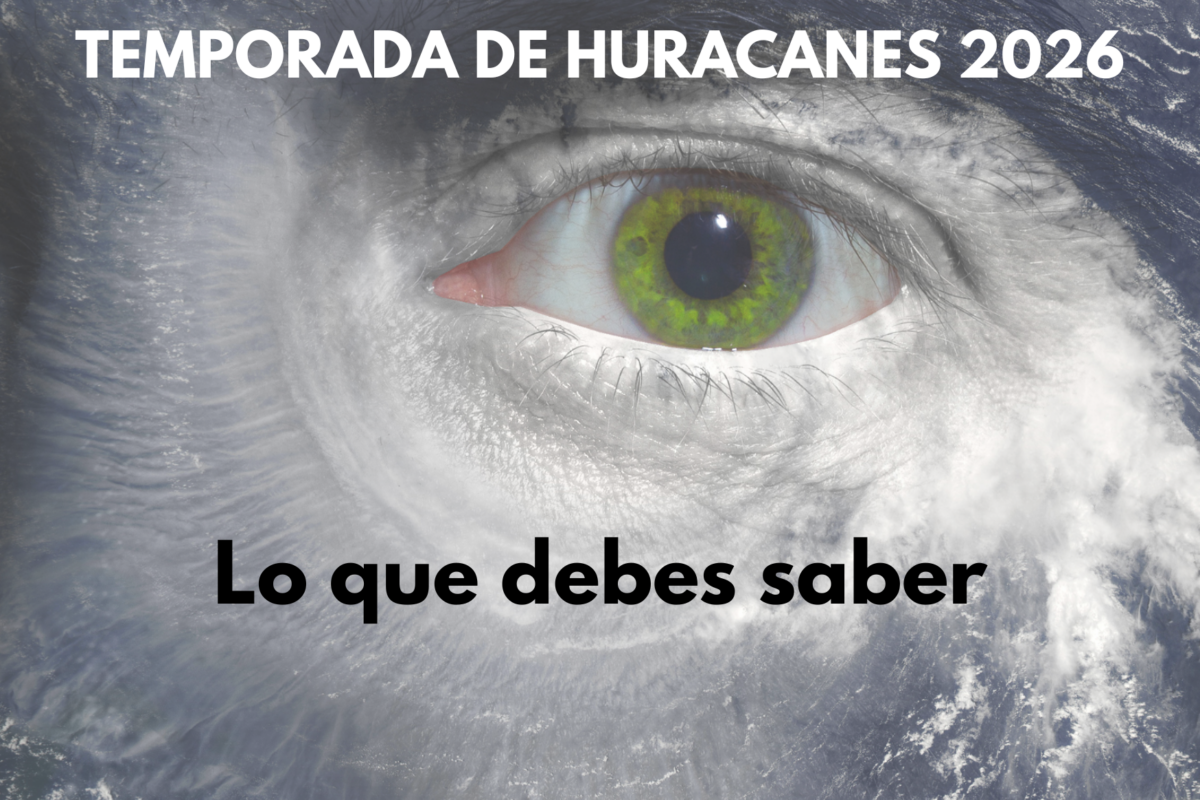
It’s not our favorite thing to write about every year, but hurricane season is here again.
Hurricane season 2026 officially begins on June 1, and this year forecasters are predicting a less active Atlantic hurricane season than we’ve seen in recent years.
After several busy seasons, that’s welcome news. But while the overall forecast may be quieter, it’s important to remember that hurricane forecasts tell us how many storms are likely to form across the Atlantic, not where those storms will go. For Puerto Rico, one storm is all it takes.
The biggest factor is a climate pattern known as El Niño. When El Niño develops in the Pacific Ocean, it often changes atmospheric conditions across the Atlantic Basin. One of the most important changes is an increase in wind shear, which refers to changes in wind speed and direction at different levels of the atmosphere.
Tropical systems need relatively calm conditions to organize and strengthen. Increased wind shear can disrupt developing storms before they have a chance to become hurricanes.
Forecasters also expect Atlantic water temperatures to be closer to normal than they have been in recent years. While still warm enough to support tropical development, they are not expected to provide the same level of fuel that contributed to some of the extremely active seasons we’ve seen lately.
Combined, these factors are expected to reduce overall hurricane activity across the Atlantic.
This is where many people misunderstand hurricane forecasts. A seasonal outlook estimates how many storms may form across the entire Atlantic Basin. It does not predict where those storms will go.
A season with fewer storms can still produce a hurricane that impacts Puerto Rico. Likewise, a very active season can pass without any direct impacts to the island. For Puerto Rico, the number of storms isn’t nearly as important as the path of a single one.
For those of us on the west side of the island, hurricane season isn’t just about high winds. Heavy rain can cause rivers and streams to rise quickly. Roads can become impassable. Landslides can occur in mountainous areas. Power outages can last far longer than the storm itself.
Even systems that pass well offshore can bring dangerous surf, coastal erosion, localized flooding, and interruptions to daily life. Anyone who has lived here long enough knows that you don’t need a direct hit to feel the effects.
A quieter forecast is still good news. It means the atmosphere may be less favorable for hurricane development than it has been in recent years. It means the odds of an extremely active season are lower. And it gives residents a chance to prepare without the pressure that comes when a storm is already approaching.
Now is a good time to check emergency supplies, review family communication plans, inspect your property for potential hazards, and make sure important documents are backed up and easily accessible.
The best time to prepare is before a storm appears on the forecast cone.
Have enough drinking water for everyone in your household for several days. Emergency planners generally recommend at least one gallon of water per person per day.
Keep a supply of nonperishable foods that do not require refrigeration or extensive cooking. Don’t forget a manual can opener if your emergency supplies include canned goods.
If you have infants, pets, or family members with special dietary needs, make sure those supplies are included as well.
Make sure you have:
Gather important documents and store them in a waterproof container.
These may include:
It’s also a good idea to keep digital copies stored securely online or on a portable drive.
Take time to inspect your property before hurricane season becomes active.
Consider:
Make sure pets have enough food, water, medications, and supplies to last several days. Keep vaccination records and identification information easily accessible.
During hurricane season, it’s important to have multiple ways to receive information. Don’t rely solely on social media. Follow official forecasts and warnings from the National Hurricane Center, the National Weather Service, and local emergency management agencies.
Conditions can change quickly, and timely information is one of the most valuable tools you can have during an emergency.
We’ve put together a page with important emergency contacts, tsunami evacuation maps, and other helpful resources for residents and visitors in Western Puerto Rico.
We also offer downloadable English and Spanish emergency contact sheets that can be saved to your phone or printed, giving you access to key information even if internet service is unavailable.
Before hurricane season gets underway, take a few minutes to review the information and download a copy for offline use.
The forecast for 2026 is encouraging, but hurricane season is never something Puerto Rico can afford to ignore. The reality is simple: it only takes one storm.
Hopefully, this season will live up to expectations and remain relatively quiet. But if a storm does develop in our direction, the best time to prepare will have been long before it appeared on the forecast cone.
Sponsored Content