Previous Post
Living with Obsessive Compulsive Disorder (OCD)

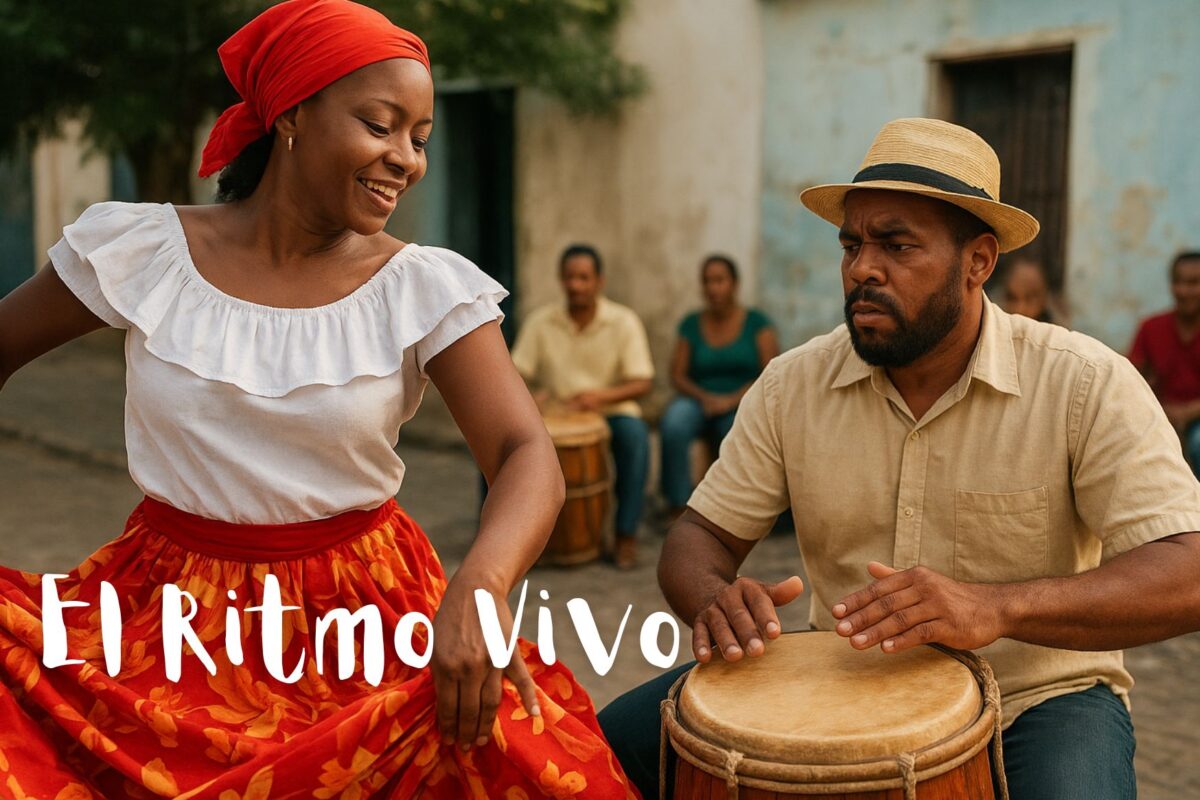
Bomba is more than music. It is history, identity, and conversation all at once. Rooted in Puerto Rico’s African heritage, this centuries-old tradition continues to pulse through plazas, bateyes, and community gatherings across the island and beyond.
Bomba is one of the oldest and most emblematic musical traditions of Puerto Rico, born during the 16th and 17th centuries with the arrival of enslaved West Africans. On plantations, it became a channel for anger, sorrow, resistance, and moments of joy. A communal performance that carried both spiritual power and cultural solidarity.
The very word bomba may trace back to Akan and Bantu languages, pointing to Ashanti roots. Over time, bomba developed regional variations, especially in towns like Mayagüez, Loíza, Ponce, and San Juan.
A traditional bomba ensemble is unmistakable, rich in percussion and layered textures:
Through time, bomba expanded into as many as sixteen distinct rhythmic forms, with names like yubá, gracimá, and hoy-oe-mula, each carrying its own flavor and energy.
What makes bomba unique is its dynamic conversation between dancer and drummer. The dancer leads with improvised steps or skirt movements (piquetes), while the primo drum answers—mirroring, challenging, and amplifying the dancer’s expression. This dialogue continues until the dancer steps away, keeping the performance spontaneous and alive.
From its earliest days, bomba has been more than performance. It was a form of emotional release, a safe space for celebration, and even a discreet tool of resistance—where enslaved people could plan and dream of freedom.
Over centuries, bomba has become a cornerstone of Afro-Puerto Rican identity. From coastal towns to diaspora cities like New York and Chicago, bomba gatherings (bombazos) continue to build community, preserve memory, and affirm cultural pride.
Bomba’s influence can be felt everywhere in Puerto Rican culture. Its rhythms have inspired plena, salsa, and even reggaetón. Women have taken increasingly central roles in recent decades, reshaping traditions with power and creativity.
Cultural institutions, such as the La Casa de la Cultura Isabelina, nurture new generations of dancers and musicians, ensuring that bomba lives on. Meanwhile, festivals, bateyes, and community groups across Puerto Rico keep the tradition vibrant and accessible.
While towns like Loíza are considered the traditional heart of bomba, the west coast of Puerto Rico has embraced this art form in its own way.
Bomba is not just music. It is a living conversation between past and present, between rhythm and movement, between individual expression and community voice. It embodies resistance, joy, and identity, all carried in the beat of the drum and the steps of the dancer.
When you experience bomba, whether in a plaza at sunset or in a late-night bombazo, you feel the heartbeat of Puerto Rico itself.
Want to experience bomba for yourself? Check out our Events Calendar to find upcoming bomba performances and community gatherings happening in western Puerto Rico.
Sources:
Sponsored Content