
Previous Post
“A Night in Los Jardines”: A Magical 12-Course Dinner at Alma, Tres Palmas Boutique Hotel

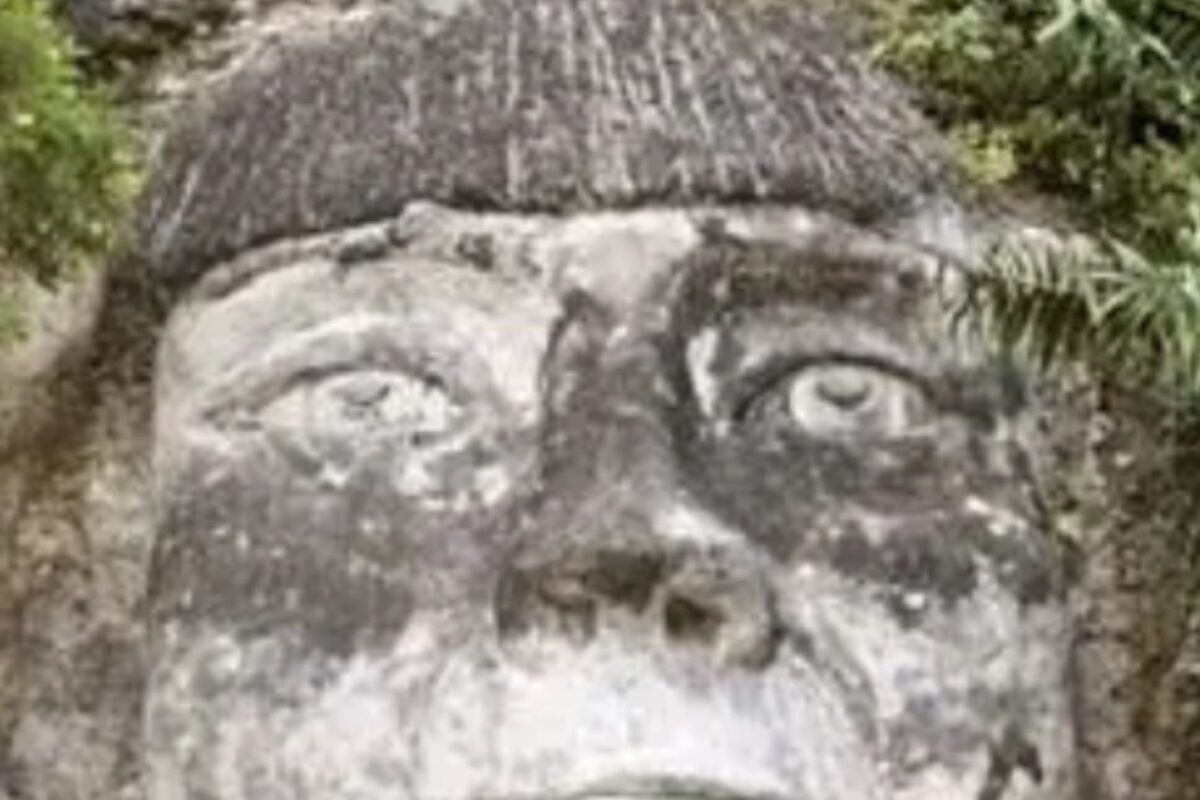
Every October, countries across the Americas commemorate the anniversary of Christopher Columbus’s arrival in 1492. It is a date that changed the course of history for the entire hemisphere. How we observe that day varies widely and reflects each nation’s evolving relationship with its Indigenous roots.
Many states and cities in the United States now recognize the second Monday of October as Indigenous Peoples’ Day; a time to honor Native communities, celebrate their living cultures, and acknowledge the lasting impact of colonization.
In Puerto Rico, we have traditionally celebrated this date as Día de la Raza, or “Day of the Races.” The name originally symbolized the blending of Indigenous, European, and African cultures that gave rise to modern Latin America. Schools once held parades, civic ceremonies, and history lessons focused on Columbus and the so-called “discovery” of the New World.
More recently, many Boricuas have embraced the term Día de las Raíces, or “Day of the Roots.” The name emphasizes cultural heritage, ancestral traditions, and the enduring legacy of the Taínos, Puerto Rico’s original inhabitants.
These shifts highlight a growing awareness that the history of the Americas did not begin with Columbus and that Indigenous peoples are not part of the past but an essential part of the present.
In Puerto Rico, Día de la Raza remains an official holiday. However, it is increasingly seen as an opportunity to honor Taíno ancestry and celebrate the cultural roots of the island. From place names like Añasco and Mayagüez to words like hamaca, huracán, and barbacoa, Taíno heritage is woven into the language and landscape of Puerto Rico.
Cultural organizations, schools, and communities often mark the occasion with educational talks, craft markets, and traditional dance demonstrations. Others use the day to reflect on identity and ancestry, reconnecting with the spiritual and ecological values that Indigenous cultures have long carried.
Whether you call it Indigenous Peoples’ Day, Día de la Raza, or Día de las Raíces, this day invites all of us to pause and reflect. Not only on the history of colonization but on the rich, living legacy of Indigenous cultures that continue to shape the Americas today.
It is a day to honor resilience, celebrate diversity, and remember that our shared history is still being written.
Sponsored Content
