
Previous Post
Halloween 2026: Things to Do Around Western Puerto Rico

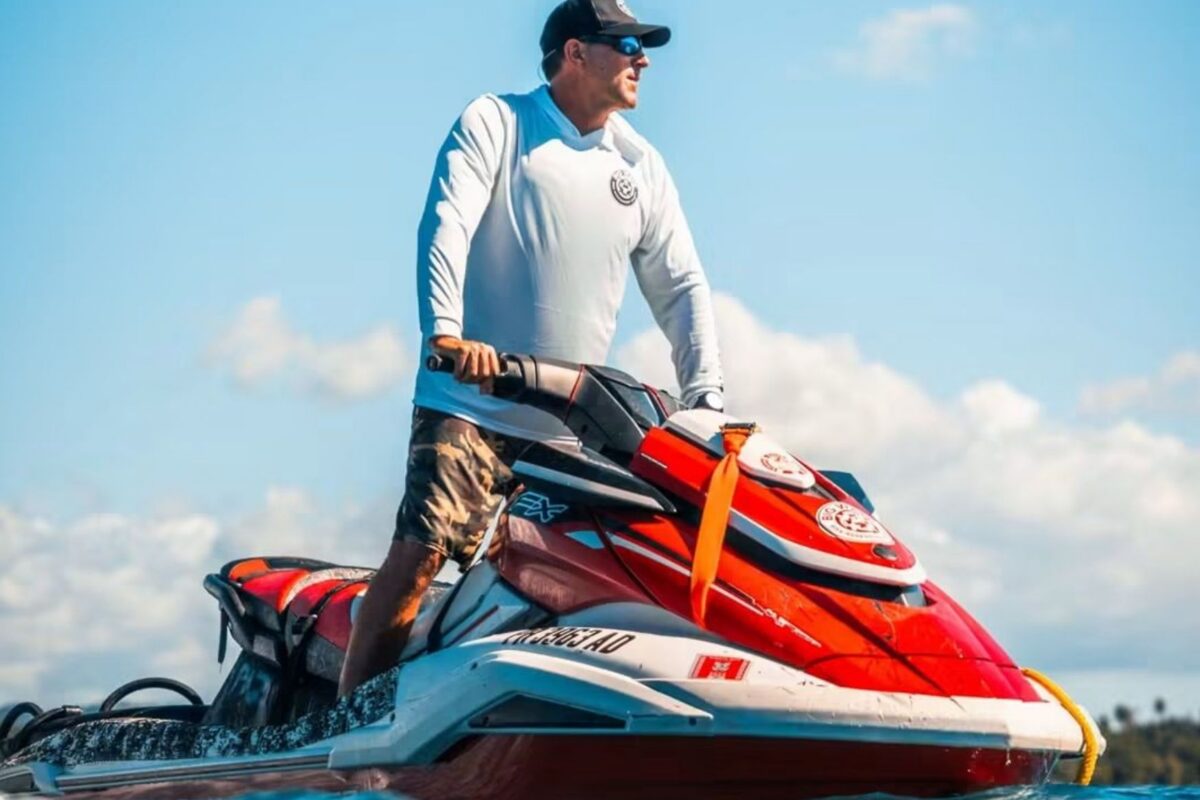
Dinner, drinks, live bomba and music from Pasando Lista and DJ Mouse make for a pretty good Saturday night. Add the chance to support the people working to make Rincón’s beaches safer, and there’s an even more compelling reason to go.
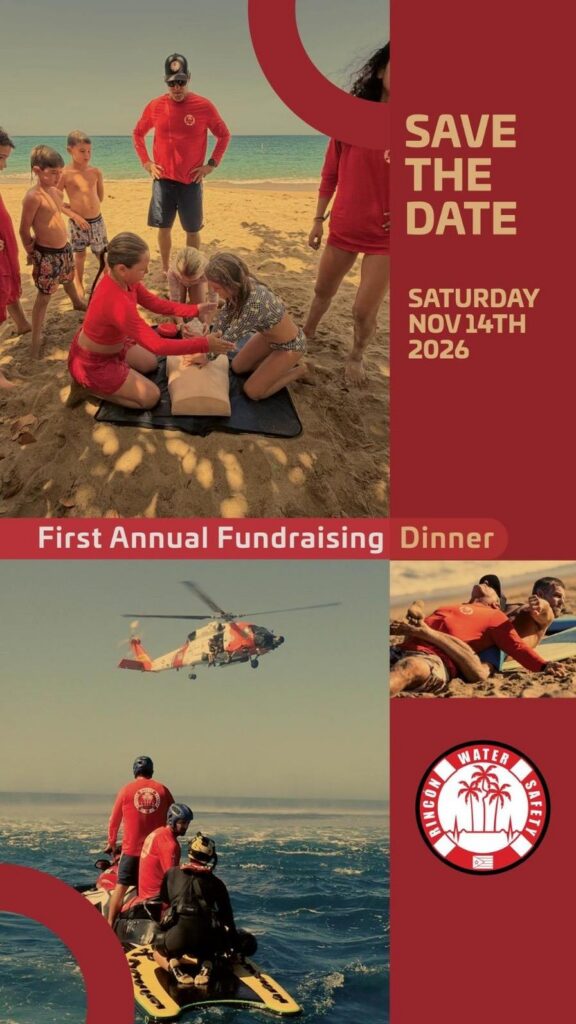
Rincón Water Safety will host its first annual fundraising dinner on Saturday, November 14, from 6 to 10 PM at Villa Playa María. The evening will raise money for lifesaving equipment, water-safety education, youth programs and the organization’s ongoing effort to establish a professional open-water lifeguard program in Rincón.
General admission is $100 and includes an open bar, buffet dinner, live bomba by Bámbula Litoral, and music by Pasando Lista and DJ Mouse.
But there’s a bigger story behind the dinner. Keeping people safe in the water takes equipment, training, time and money, and much of that work happens long before anyone needs a rescue.
Here’s a closer look at what Rincón Water Safety does, what it costs and why the organization is working toward a future with professional lifeguards on Rincón’s beaches.
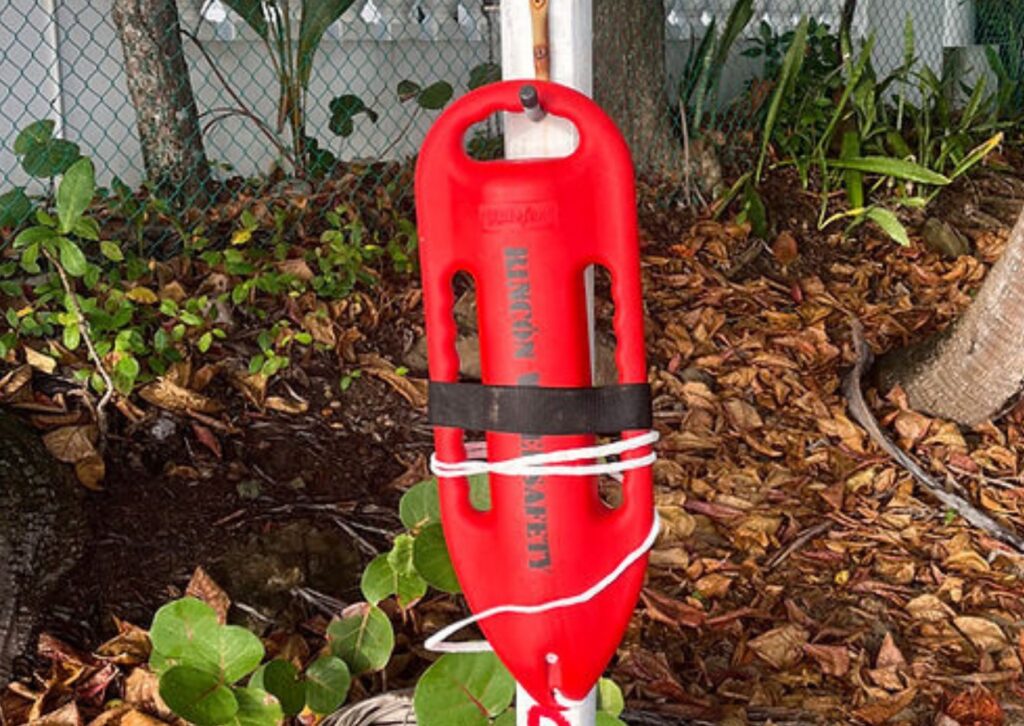
Rincón Water Safety maintains 17 rescue stations along the coast. Each costs approximately $250, bringing the total replacement cost to about $4,250 if all 17 need to be replaced.
And beach conditions aren’t exactly gentle on equipment. Heavy swells, rain and the ocean itself can damage or carry away rescue gear, meaning replacement is an ongoing expense.
A rescue torpedo costs around $75, plus the cost of a whistle. These can also be lost in rough conditions. RWS recently lost one at Boneyards.
Then there’s the automated external defibrillator, or AED. A new unit costs approximately $2,000, and replacement batteries and pads can run another $250 to $500.
It’s not the kind of equipment most people think about when they head to the beach. But having it available when something goes wrong can make a difference.
Rincón Water Safety also works to help people recognize hazards and respond to emergencies before a rescue is needed.
Its Beach Guardian Seminars are free to the public, but putting one on costs approximately $3,000. RWS held seven seminars this summer.
Each class lasts about two hours, but there’s considerably more work involved. Preparation, travel and logistics add up, instructors are paid for their time, and training mannequins and other equipment have to be purchased and maintained.
RWS has a five-year memorandum of understanding with the Puerto Rico Department of Natural and Environmental Resources (DRNA), which has supported the Beach Guardian program and contracted 15 seminars. The organization has also worked with the DRNA on recommendations for improved beach signage to help people recognize hazards such as rip currents.
RWS works with the Puerto Rico Department of Tourism through its Swim Safe campaign, too.
The idea is simple: helping people understand the water and its risks is an important part of keeping beaches safer.
The Junior Lifeguard program offers another example of the work that goes into making water-safety education accessible.
Families pay $50 per child for the four-day program, which typically serves 25 to 30 children. That brings in approximately $1,250 to $1,500 in registration fees.
The actual cost to operate the program is around $5,000.
Depending on enrollment, that’s roughly $167 to $200 per child, before accounting for donated items. Participants also receive things such as T-shirts, bags and swim trunks, some of which are donated.
The difference between what families pay and what the program costs has to come from other sources of support.
The Ben Carlson Foundation has provided significant assistance to both the Junior Lifeguard and Beach Guardian programs. The foundation honors Ben Carlson, a lifeguard who died while trying to save another person.
For families, the $50 fee makes the program more accessible. For RWS, keeping it that way means finding additional funding to cover the bills.
Education and rescue equipment are important, but Rincón Water Safety is working toward something more: having professional open-water lifeguards on duty at Rincón’s beaches.
The organization has been working with the Oficina Municipal para el Manejo de Emergencias (OMME) and the contract is currently awaiting approval from the municipal assembly.
According to RWS, lifeguard coverage is generally impossible to obtain in Puerto Rico. Working through OMME would provide a structure for insurance coverage as the program moves forward.
Pending approval by the assembly, the municipality has agreed to cover half of the lifeguards’ salaries. But RWS needs donations to cover the remaining cost.
The estimated annual cost for one lifeguard stand is approximately $150,000. RWS eventually hopes to establish three stands, starting with one at Sandy Beach.
Since 2023, there has been only one drowning at Sandy Beach, a record that reflects the importance of Rincón Water Safety’s education and prevention efforts. The drowning occurred at the exact location proposed for the lifeguard tower.
While these efforts have made a difference, a staffed tower would provide another level of protection, with a trained lifeguard on hand to respond when emergencies happen.
A professional lifeguard on duty would add another layer of protection: someone trained and ready to respond right there on the beach.
There’s an example of what this can look like elsewhere on the west coast. In Isabela, the mayor secured funding for a lifeguard program at Jobos Beach. The lifeguard program reports hundreds of rescues, and a buoy system installed at the beach has also helped improve safety.
Rincón Water Safety hopes to bring that kind of added protection to Rincón, starting with Sandy Beach. Getting there, however, will take funding and continued cooperation with the municipality.
Rincón Water Safety has to pay three professional service providers as well as 10 lifesaving instructors, all trained as lifeguards. Their work supports the organization’s equipment, educational programs and plans for a professional lifeguard service.
The costs add up quickly. Replacing all 17 rescue stations would run about $4,250. An AED costs around $2,000. One Beach Guardian Seminar costs approximately $3,000, and the Junior Lifeguard program costs about $5,000 to operate.
These aren’t one-time expenses. Equipment wears out, supplies need replacing, classes need instructors and young participants need the gear that helps them learn.
The $100 dinner ticket helps support that work while giving guests an evening out with good food and music. And for anyone who has wondered what it takes to keep rescue equipment available or offer water-safety training at little or no cost to participants, these numbers offer a clearer picture.
Donations aren’t necessarily assigned to a particular piece of equipment or program. They help RWS cover the ongoing costs of its work and keep many of its services accessible to the community.
The November 14 event is a chance to enjoy a night out in Rincón while supporting a local organization with a very practical mission. But attending the dinner isn’t the only way to contribute.
Rincón Water Safety is a registered 501(c)(3) nonprofit organization and holds a Puerto Rico Treasury Department decree. Contributions may qualify for applicable tax benefits, depending on individual circumstances and current tax rules.
To learn more about the organization, its programs, the fundraiser or how to donate, visit puertoricowatersafety.org.
When: Saturday, November 14, 2026, from 6 to 10 PM
Where: Villa Playa María, Rincón
Tickets: $100 per person, including an open bar, buffet dinner, live bomba by Bámbula Litoral, and music by Pasando Lista and DJ Mouse.
Tickets and event information are available through Eventbrite.
Go for the food and music, and leave knowing you helped support the people working to make our beaches safer.
Sponsored

Advertisement