Previous Post
Celebrate Spring with Bubbles: A Guide to Sparkling Wine

By Dr. Lee Ming Shum-rheumatologist with more than 10 years of experience. Her office is located in Mayagüez, Puerto Rico
March is a very special month. In addition to being Women’s Month, it is also Autoimmune Disease Awareness Month. These conditions affect millions of people around the world and often have a particular impact on women’s health.
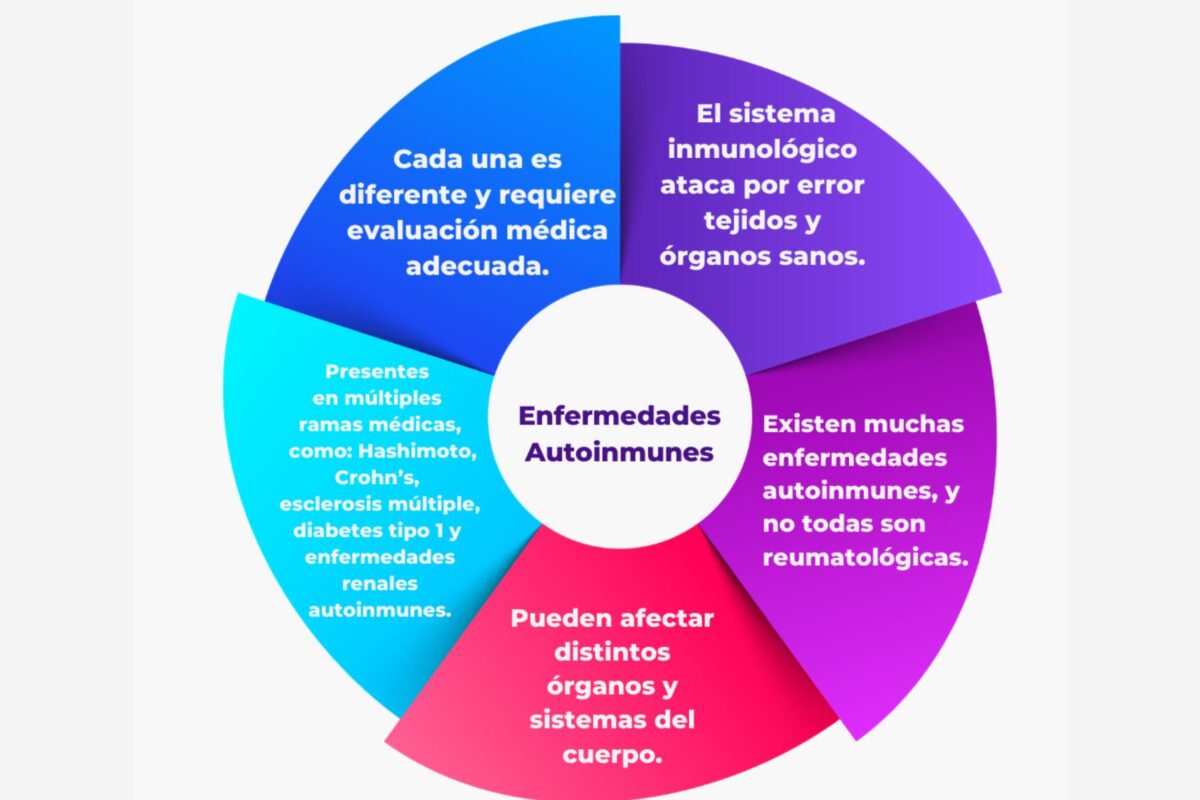
As a rheumatologist, I see that many people are surprised to learn that their immune system, which normally protects us from viruses and bacteria, can become confused and mistakenly attack our own body. This is what we call an autoimmune disease. They can affect different organs or systems, and each condition has different characteristics.
Data show that women represent the majority of autoimmune disease cases. Among them:
Although the exact factors that explain this difference are still being studied, it is believed that genetic, hormonal, and immune system factors play a role. It is important to remember that no autoimmune disease occurs because someone did something wrong. This is not the person’s fault.
Not all autoimmune diseases are managed only within rheumatology. They can appear in almost every branch of medicine, depending on the organ affected. For example:
This diversity shows that a multidisciplinary approach is key for proper diagnosis and treatment.
Although each disease has its own characteristics, there are common signs that should not be ignored: persistent fatigue, joint pain or swelling, skin rashes, dry eyes or mouth, digestive problems, recurring fever, or unexplained weakness. Recognizing them early can make a difference.
If you notice persistent symptoms or unexplained changes in your health, seek medical evaluation. Early diagnosis and proper management can improve quality of life and prevent complications. You can consult the Puerto Rico Rheumatologists Directory to find a specialist near you.
If you want reliable information and practical advice about autoimmune health, you can follow me on Instagram at @reumatologiapr, where I share content designed for patients, with clarity and approachability.
Sponsored Content