Previous Post
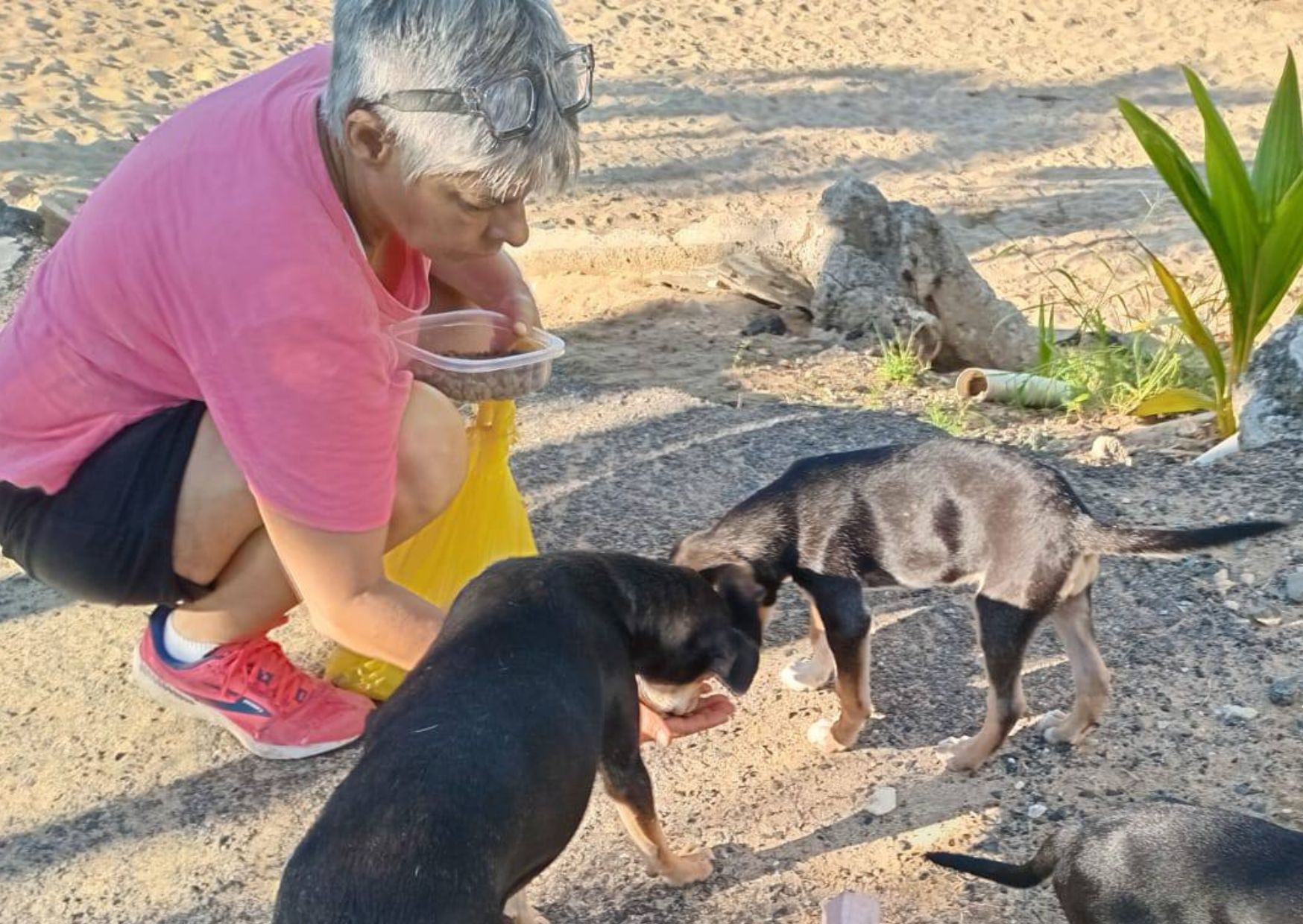
Three Women, Three Missions, One Goal: Helping Animals


Spring in Puerto Rico isn’t necessarily a drastic change in weather, but more of a vibe. Winter tourists start heading home, days get slightly longer, and locals begin preparing for Holy Week. Families start planning gatherings that will feature seafood, fried snacks, and traditional favorites like paella or asopao.
It’s also a good moment to talk about sparkling wine. Bright acidity, lively bubbles, and moderate alcohol make it one of the most versatile wines for Puerto Rico’s warm weather and flavorful cuisine.
Despite how the word is often used, not all sparkling wine is Champagne. From Champagne in France to Prosecco in Italy and Cava in Spain, different regions produce their own styles using different grapes and winemaking methods. Understanding a few of those differences makes choosing the right bottle much easier.
Sparkling wines contain dissolved carbon dioxide, which creates the bubbles in the glass.
In many wines, this happens during a second fermentation. After the base wine is made, yeast and sugar are added and fermentation begins again in a sealed bottle or tank. As the yeast converts sugar into alcohol, carbon dioxide forms and becomes trapped in the wine.
Other styles take a different route. Wines such as pétillant naturel, often shortened to pét nat, are bottled before the first fermentation finishes. The remaining fermentation continues in the bottle, naturally producing bubbles.
True Champagne comes only from the Champagne region of France.
Made from Chardonnay, Pinot Noir, and Pinot Meunier, Champagne undergoes its second fermentation in the bottle and often ages on the yeast for years. That aging brings notes of citrus, green apple, toasted bread, and sometimes almond or brioche. Fine, persistent bubbles give it structure and elegance.
Celebration aside, Champagne pairs beautifully with food. It works with oysters, sushi, fried snacks, and salty cheeses, making it extremely versatile.
Second fermentation happens in large, pressurized tanks, preserving the wine’s fruitiness. Think pear, apple, melon, and delicate floral notes. The softer bubbles and a lighter texture make it perfect for sipping as an aperitif or mixing into a vibrant Aperol Spritz.
Because the tank method is faster than bottle fermentation, Prosecco is approachable, fun, and often easier on the wallet.
Spain’s most well-known sparkling wine is Cava, produced primarily (but not always) in Catalonia.
Like Champagne, Cava is made using the traditional bottle fermentation method. The main grapes are Macabeo, Xarel·lo, and Parellada, though some producers also use Chardonnay or Pinot Noir.
The wines often show citrus and green apple flavors along with subtle toasted or nutty notes from time spent aging on the yeast. The beauty? Complexity close to Champagne, but often at a friendlier price.
Several French regions outside Champagne produce sparkling wines labeled Crémant.
Examples include Crémant d’Alsace and Crémant de Loire. These wines are also made using the traditional method but rely on regional grape varieties.
Crémant wines tend to be crisp, balanced, and elegant, often offering an excellent and more affordable alternative for those who enjoy Champagne-style wines.
Sparkling wines often include terms that indicate sweetness levels.
Brut is the most common and is considered dry. Extra Brut and Brut Nature are even drier, with very little residual sugar. Despite the name, Extra Dry actually contains slightly more residual sugar than Brut and tastes a bit softer. Demi Sec wines are noticeably sweeter.
Sparkling wine is best served chilled, usually between 45 and 50 degrees Fahrenheit (yes, really.) This temperature preserves the bubbles and allows the flavors to develop in the glass.
Most people believe that flutes are the traditional glass, but many wine professionals prefer standard wine glasses. While flutes may help to preserve the bubbles, wine glasses allow the aromas to open more fully.
When opening a bottle, hold the cork firmly and twist the bottle rather than the cork. Ideally, the pressure releases with a quiet hiss instead of a loud pop.
Sparkling wines are incredibly food-friendly and work wonders with Puerto Rico’s rich, flavorful dishes. The acidity and bubbles cut through salt, fat, and fried foods.
They pair especially well with:
During Holy Week and other gatherings, when tables are filled with fried foods, seafood, and shared dishes, a chilled bottle of bubbles feels right at home.
Sparkling wine doesn’t need a special occasion. A bottle of sparkling wine is perfect for a relaxed meal or a casual get-together. In Puerto Rico, where fried foods, seafood, and shared plates are always on the table, it fits naturally into everyday meals.
Bubbles work at any time; beach days, sunsets on the porch, brunch, lunch, or after dinner. Sometimes the only reason to open a bottle is that it fits the moment.
Courtesy of Tinto Wine & Charcutería
Sponsored Content
