Previous Post
Remote Work Is Reshaping Western Puerto Rico

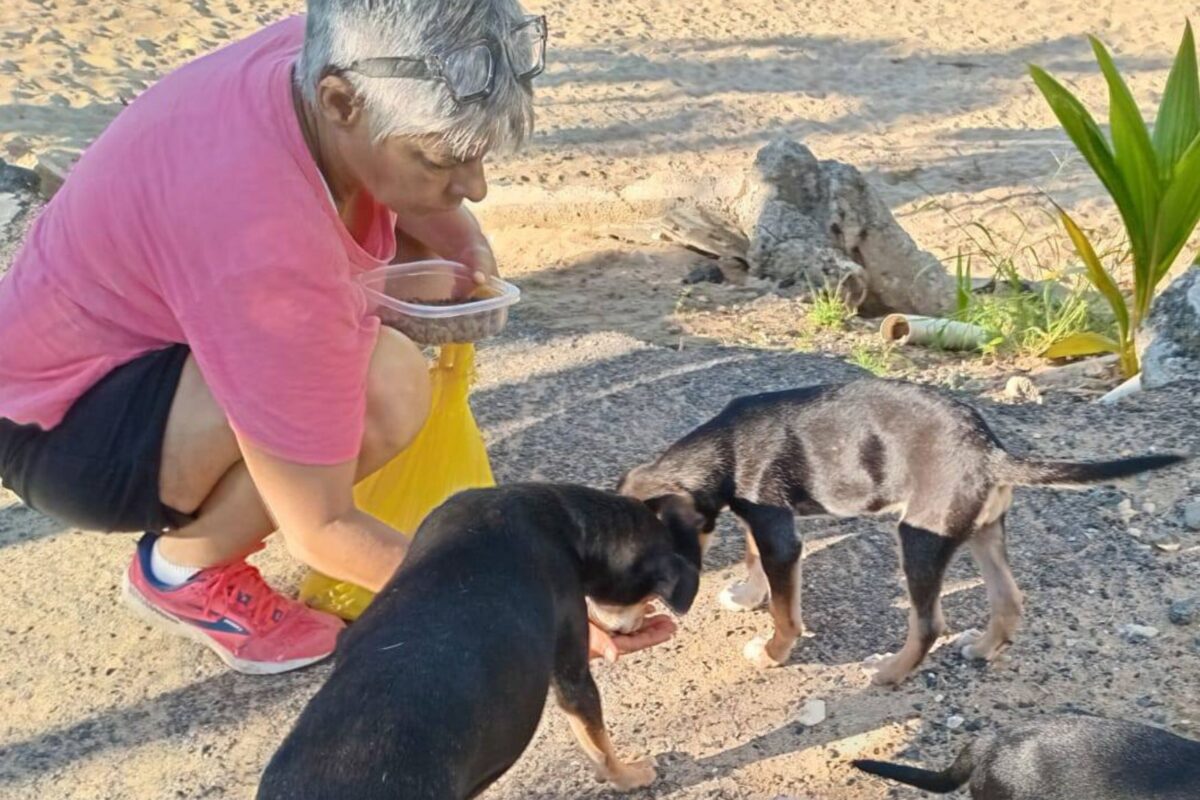
From rescuing horses and stabilizing community cat populations to coordinating sterilization programs for dogs and cats, these women are quietly working every day to improve the lives of animals across Rincón and western Puerto Rico.
Every day across western Puerto Rico, a group of dedicated women is working quietly behind the scenes to protect animals that often have no one else looking out for them.
Inspired by the spirit of International Women’s Day, this story highlights three of the women leading animal rescue efforts in Rincón. Through different organizations and approaches, they are addressing some of the island’s most persistent challenges: animal overpopulation, abandonment, and lack of access to veterinary care.
From managing community cat populations to caring for rescued horses and coordinating sterilization programs for dogs and cats, their work reflects the compassion, and community collaboration required to make lasting change.
Behind every rescued animal, every sterilization, and every adoption is someone who chose to step in and help.
For Ruth Kaplan, founder and president of Chateaux De Gatos, the path into rescue work began with helping neighbors manage growing cat colonies in their neighborhood.
The organization was founded in 2023 after she noticed that neighbors who were feeding local cats were repeatedly overwhelmed with new litters. Ruth soon realized that the real issue was uncontrolled breeding.
What began as a way to help with the cost of caring for kittens has evolved into something more strategic. Today, Chateaux De Gatos focuses on Trap, Neuter, Return (TNR), a structured approach used around the world to stabilize community cat populations and prevent uncontrolled growth. The process involves humanely trapping cats, transporting them to veterinarians for sterilization, monitoring their recovery, and returning them to their environment.
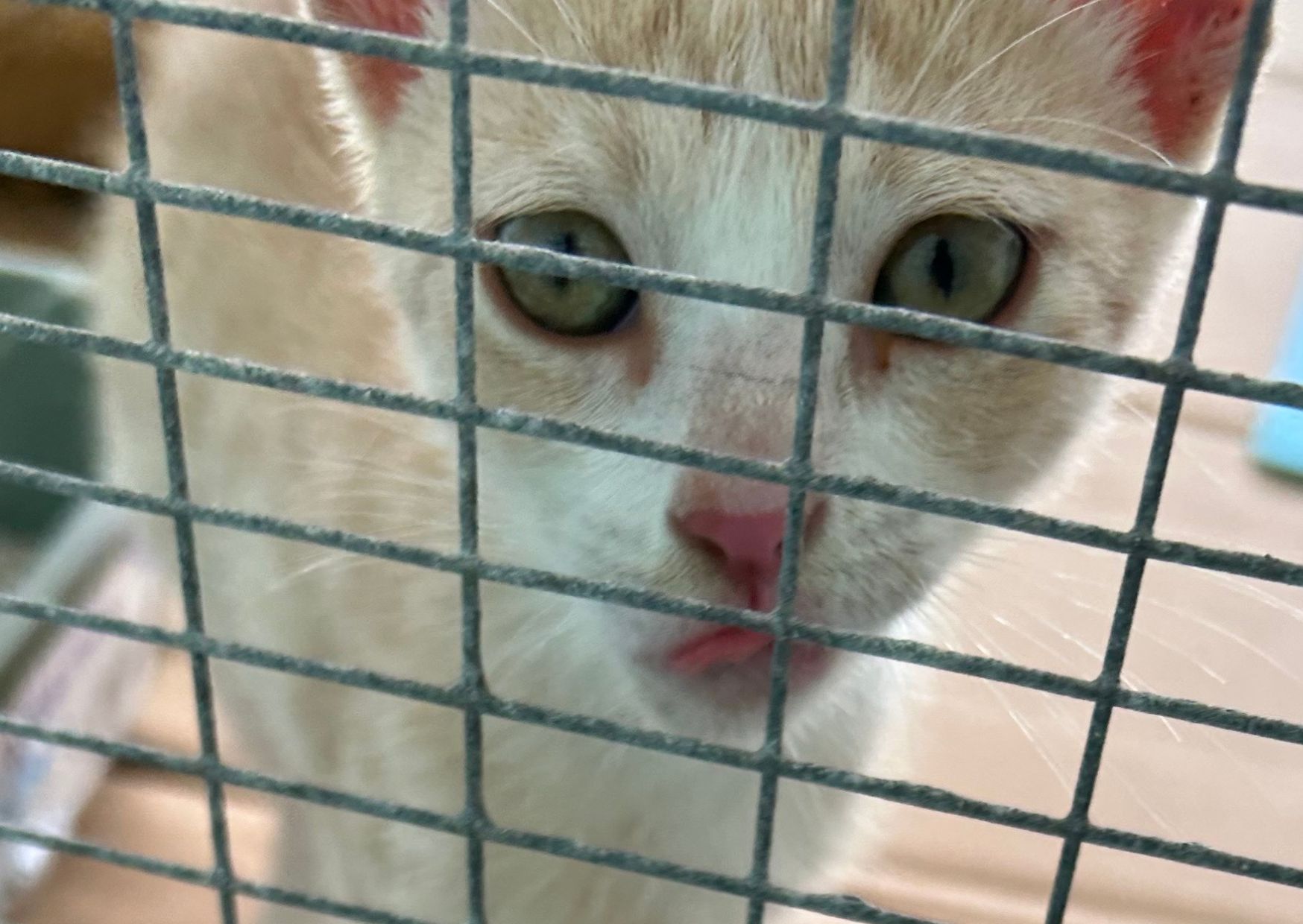
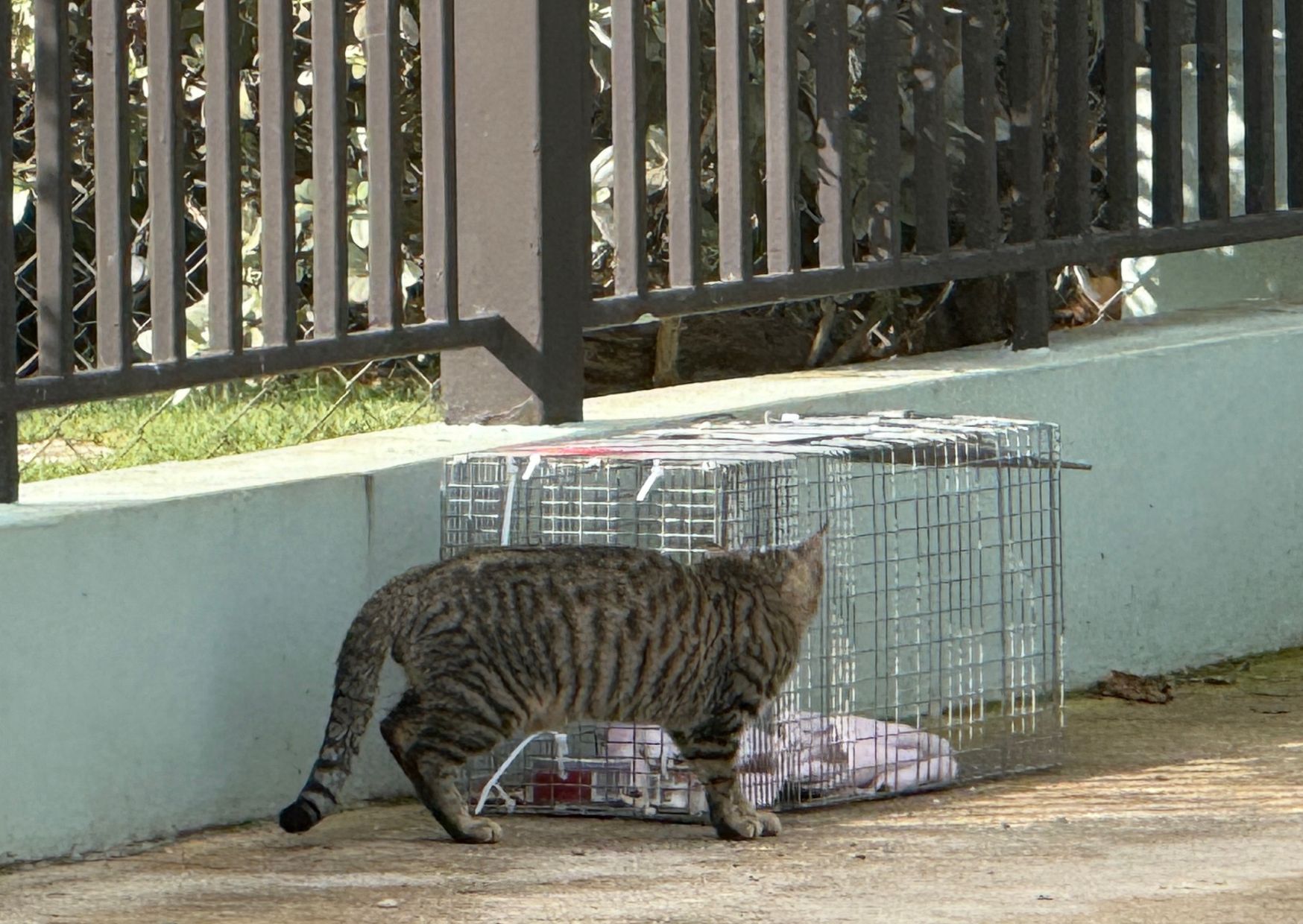
In 2025 alone, the organization sterilized 223 cats and helped find homes for 21 kittens. By targeting reproduction at its source, the program not only improves animal welfare but also enhances public health, neighborhood satisfaction, and the overall experience for residents and visitors alike. “This work matters because humane, strategic TNR prevents cats from being born into suffering and hunger,” she explains.
Much of the work depends on coordination with veterinarians, volunteers, and residents. Veterinary appointment availability and transportation logistics determine how many cats the organization can sterilize each week.
Despite the challenges, she says the results are already visible in the neighborhoods where they work. “I have personally been involved in this work for less than three years, but even in that short time I have seen measurable impact in the areas that we have worked: less kittens, healthier cats.”
What keeps her motivated is seeing those changes take shape and knowing that every sterilization prevents future litters. “There’s also something incredibly great about watching a trap close successfully on a cat who will no longer produce generations of kittens.”
While many rescues focus on dogs and cats, Cynthia Marie Calvin (known to many as CC) of Defensa Animal de Puerto Rico has dedicated much of her work to another group of animals that often receives far less attention: horses.
Defensa Animal, a federally recognized nonprofit founded in 2013, operates island wide but maintains a strong presence in Rincón. The organization currently cares for 32 rescued horses across nearly twenty pieces of donated land throughout the municipality.
Each morning, volunteers check on every horse, providing food, fresh water, and monitoring their health. “Every morning, rain, shine, hurricane, our 32 equines get seen, grain and fresh water,” Cynthia explains.
The routine is essential to their care. “We have learned the hard way, if we don’t see each horse early each morning there is a risk they can be injured or escaped.”
Over the years, Defensa Animal has helped hundreds of horses, including street horses and animals whose owners needed assistance. The organization also works with the community. It offers volunteer opportunities and educational experiences for students from the University of Puerto Rico in Mayagüez.
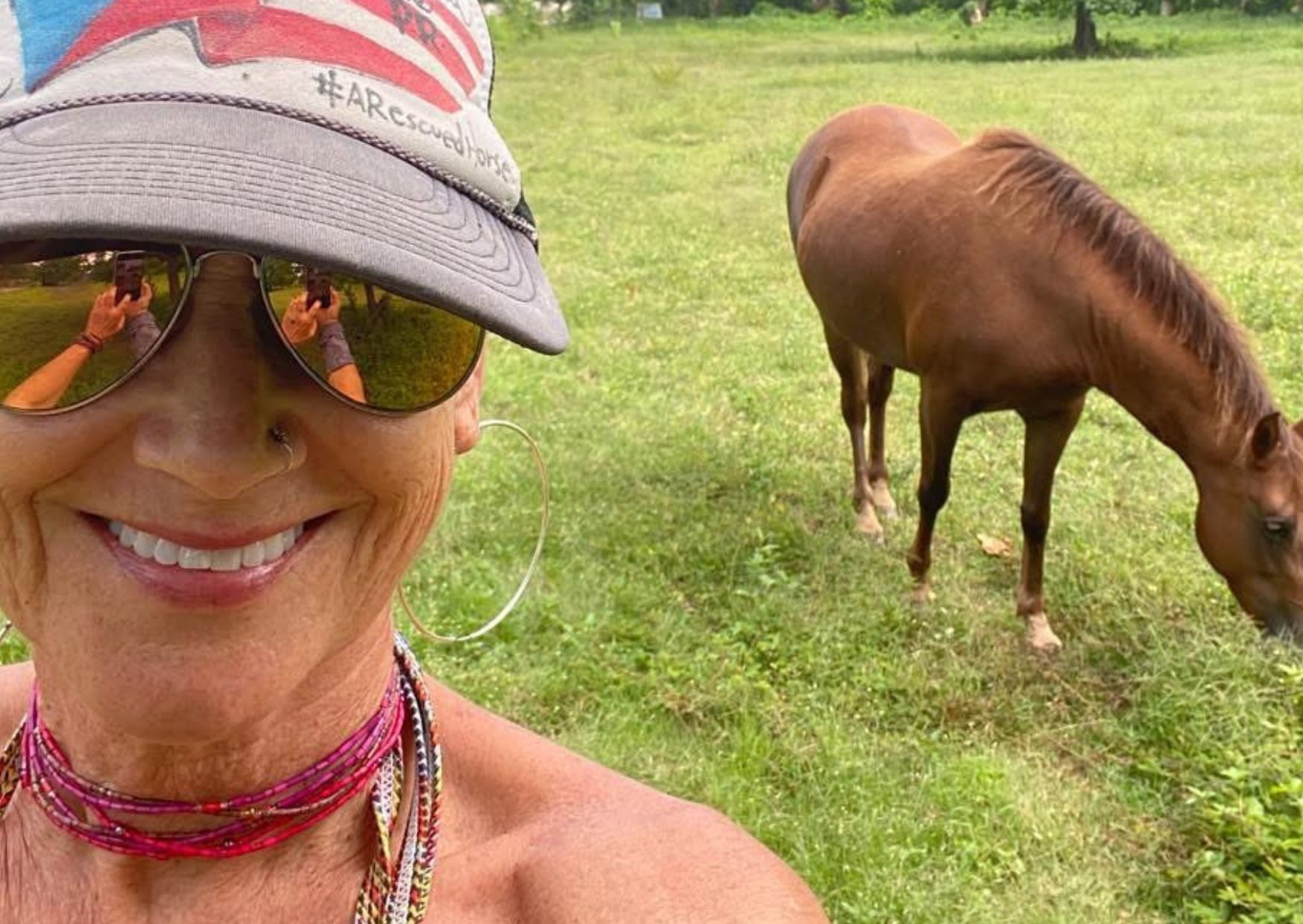
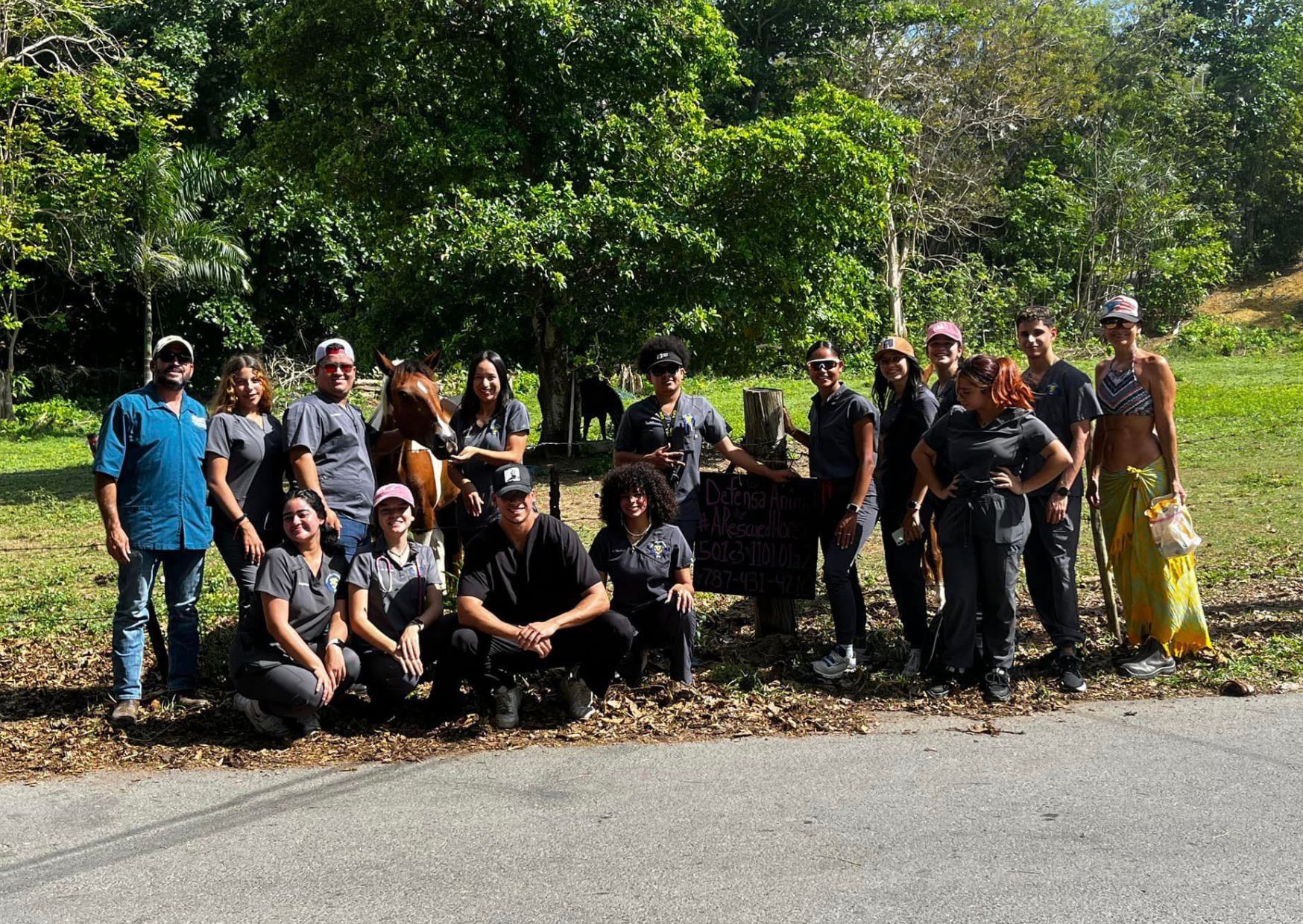
CC’s path into rescue work was unexpected. With undergraduate and graduate degrees in computer science and a career in technology and neuromuscular therapy, animals were not originally part of her professional life. That changed after watching a documentary about abandoned dogs in Puerto Rico. “The world is a dangerous place, not because of those who do evil, but because of those who look on and do nothing,” she says, quoting Albert Einstein.
When asked what keeps her going during difficult days, her answer is simple. “The horses and community support.”
Long before many current rescue groups existed, the Animal Rescue Foundation of Rincón (ARF) was already working to address the island’s animal overpopulation problem.
Founded in 1997, ARF began by visiting homes in local communities and offering to sterilize pets. The goal was straightforward: reduce the number of unwanted animals by preventing litters before they began.
Today the organization continues that work under the leadership of its current president, Miriam Juan.
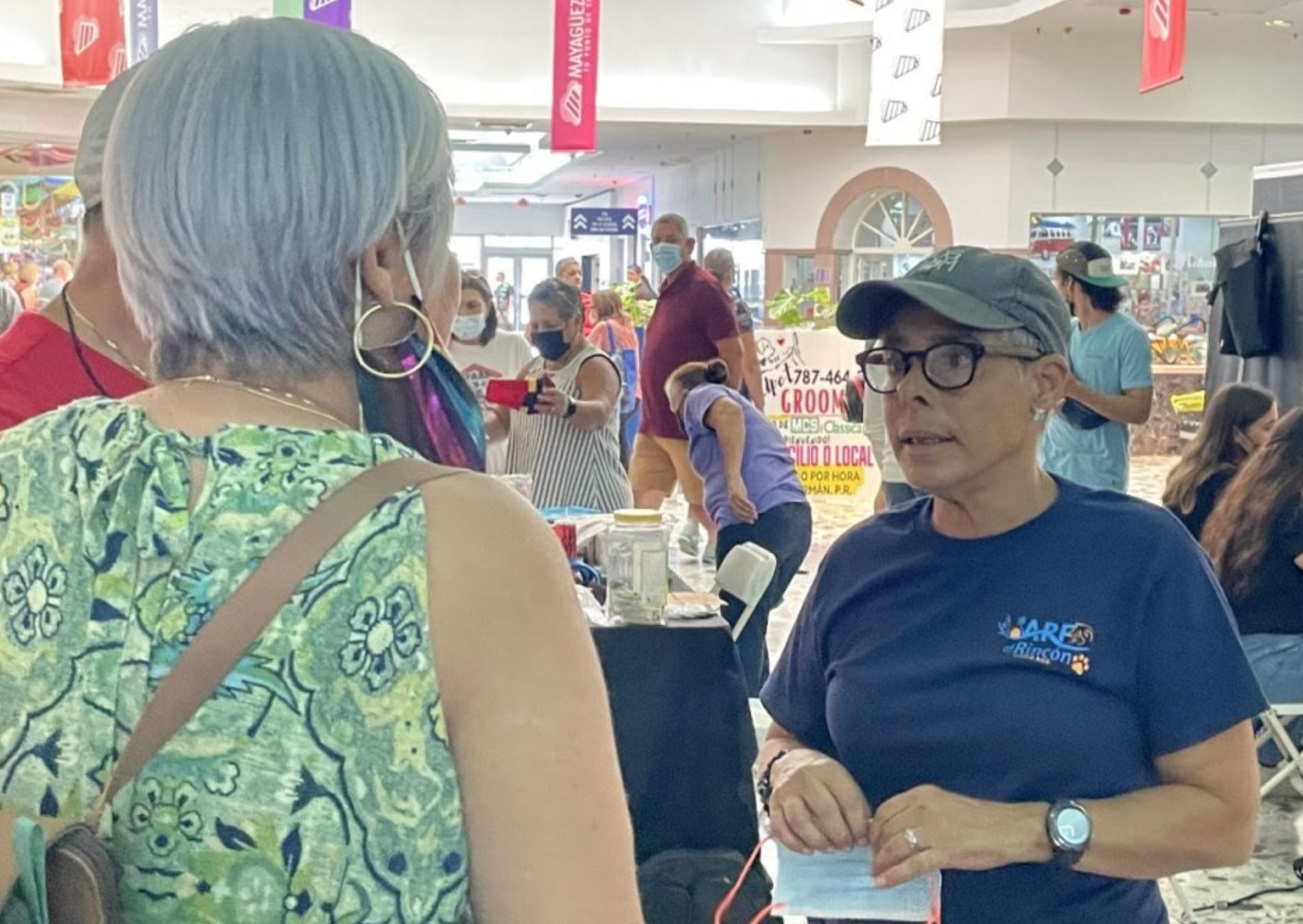
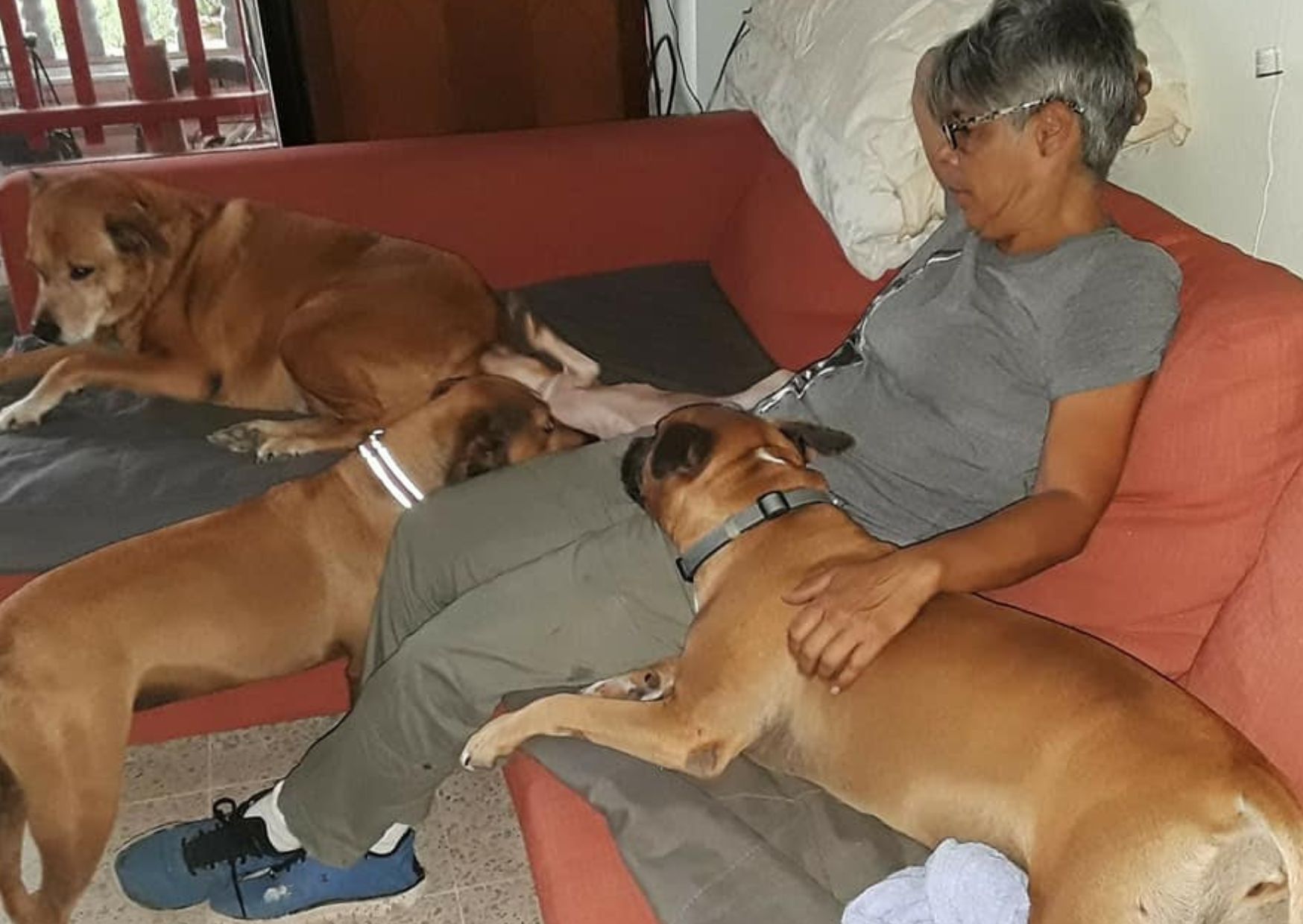
ARF focuses primarily on spay and neuter programs for dogs and cats, along with TNR for community cats. The group also assists animals reported by the police or community members and provides food support through feeding routes. On average, they help between 100 and 150 animals each year.
According to Miriam, a typical week includes transporting animals to veterinary appointments and coordinating airport transport for pets adopted in the United States. She also runs food routes and responds to reports from the community.
Like many rescues, ARF faces ongoing challenges. Volunteers run the organization entirely, and it relies exclusively on donations.
One of their biggest needs right now is foster homes. “We are not a shelter,” Miriam explains. “Many people think we are ‘animal control’ and call us to pick up animals.”
Rescue work, she says, is far more complicated than many people realize. “People think rescuing animals is easy, when in reality it requires a lot of time, energy, resources and money.”
When asked what lesson her work has taught her, Miriam says, “This work taught me to accept that I cannot save them all by myself.”
While their organizations focus on different animals and operate in different ways, these women share a common understanding: meaningful progress requires community involvement. Rescue groups cannot solve the problem alone. Volunteers, donors, veterinarians, and residents all play essential roles.
Whether it is reporting a colony of unsterilized cats, offering land for rescued horses, fostering animals waiting for adoption, or supporting sterilization programs, real change happens when the community shares responsibility and works together to protect the animals around them. As ARF’s president puts it simply: “The overpopulation and abandonment are enormous problems, and without the commitment of the community they will never be resolved.”
Together, these women are showing that real impact often begins with people who simply refuse to look the other way.
To support these organizations and the animals they care for, please consider donating through the links below.
Defensa Animal de Puerto Rico: Registered Federal 501c3 and Hacienda 1101.01(a)(2)
Chateaux de Gatos: Registered NJ 501c3
Animal Rescue Foundation of Rincón: Registered 501c3
Sponsored Content